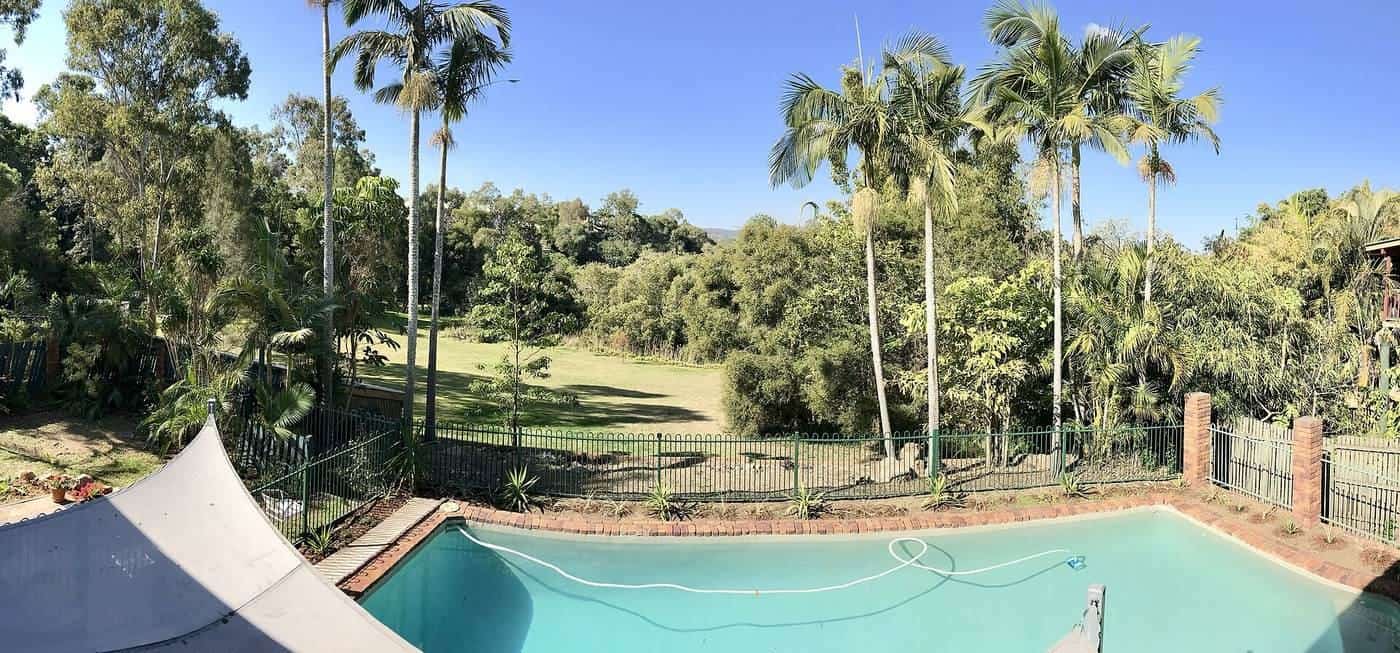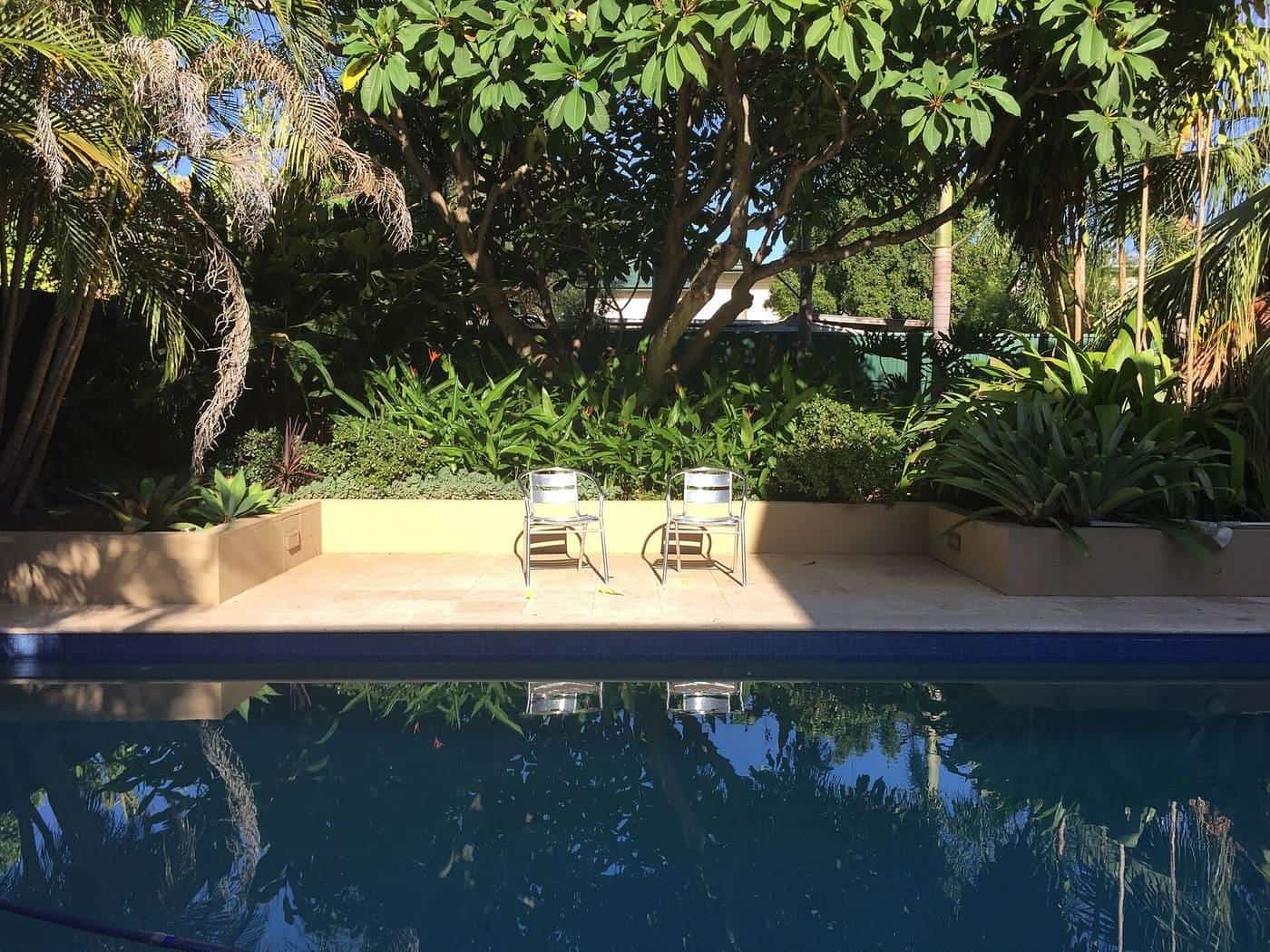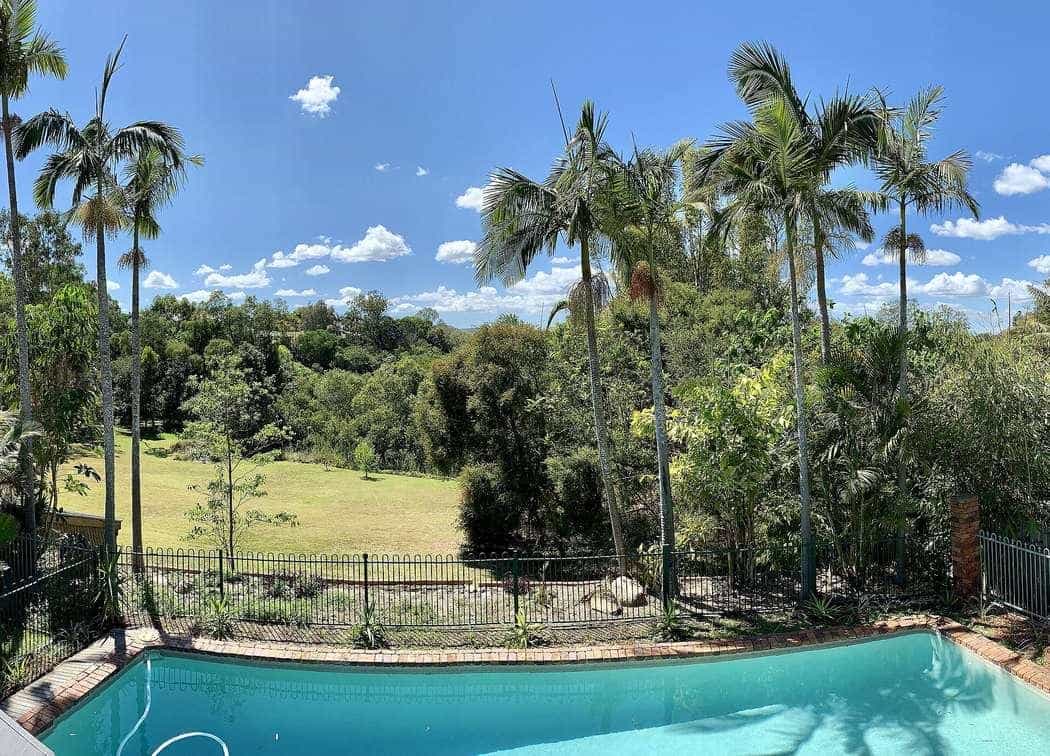
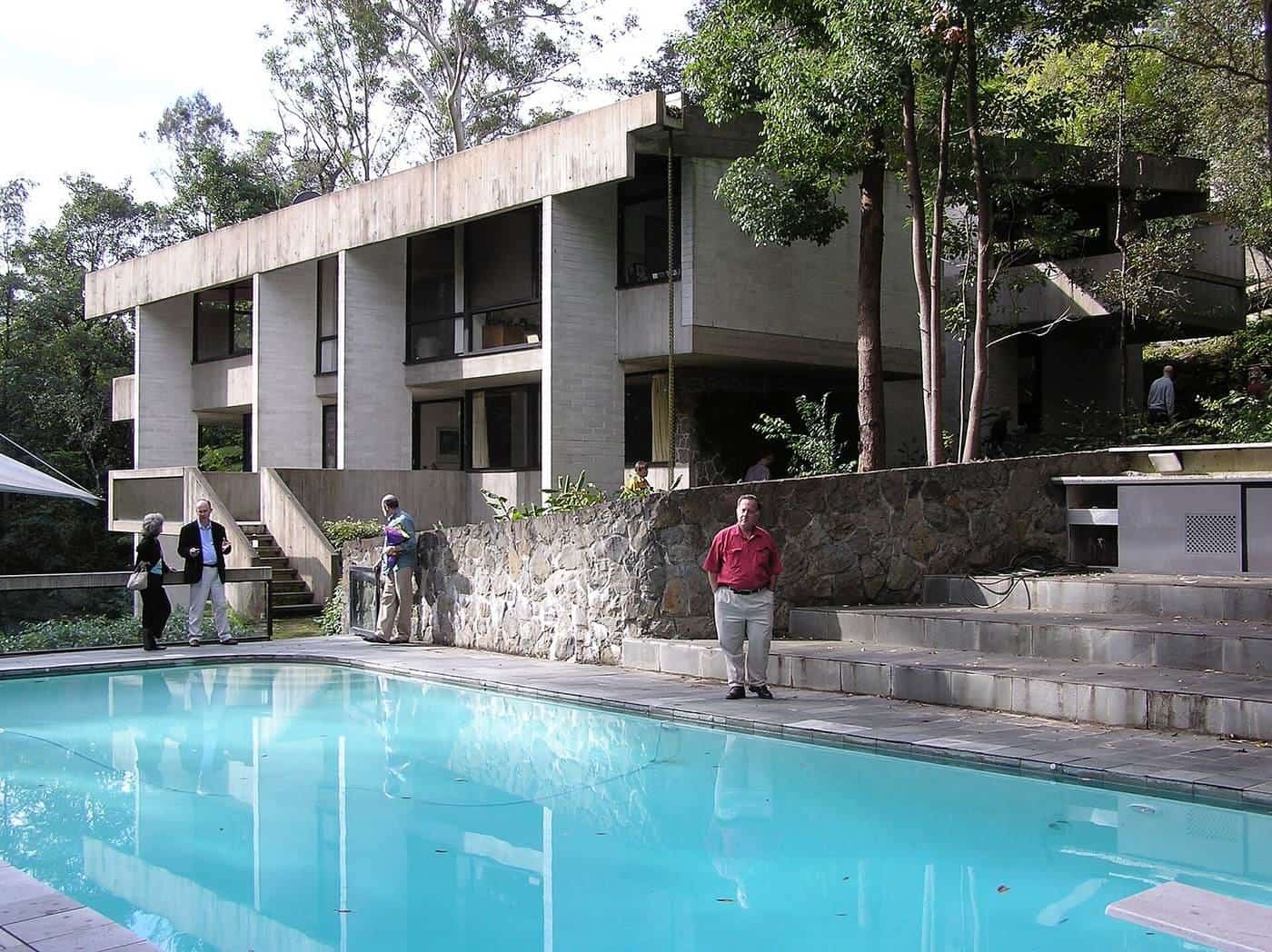
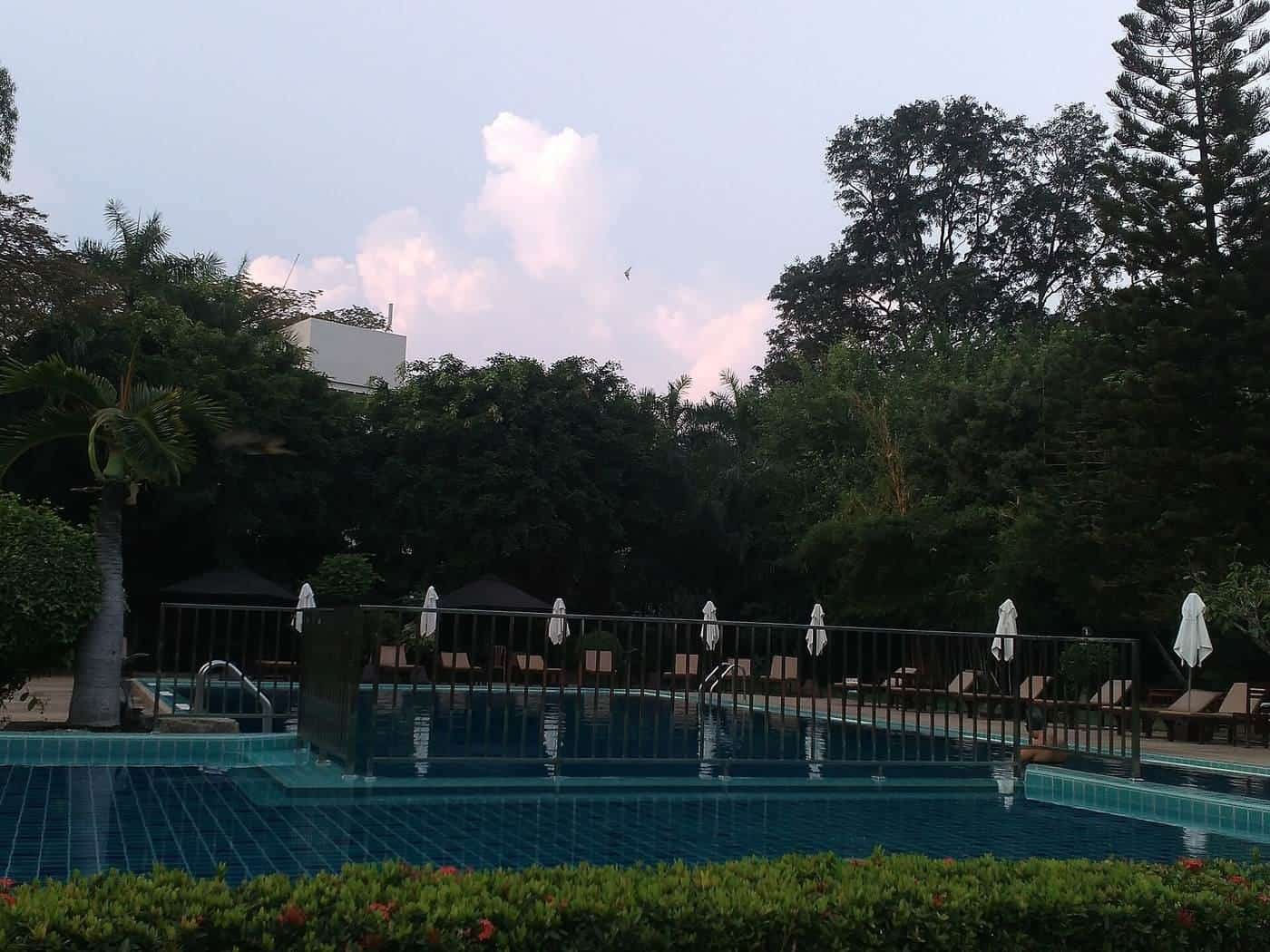
A backyard pool is part of the Australian dream: long summer afternoons, kids learning to swim, a cool dip after work and friends gathered on the deck. Owning one also means responsibilities and running costs. There are state laws about pool barriers, registration and inspections. There are decisions about decking, paving and equipment. And there's the weekly routine of keeping the water clear and safe.
ThePoolDeck.com.au is an independent, plain-English guide for Australian home pool owners, buyers and renters. We explain the rules and the practical know-how, and we link to official sources such as state building regulators, Royal Life Saving, ANZCOR resuscitation guidelines and the national Energy Rating program, so you can check the detail for your situation. We don't build pools, sell equipment or carry out inspections.
300 mm
Barrier trigger
Common water depth threshold
1.2 m
Minimum fence height
AS 1926.1
30:2
CPR ratio
ANZCOR guidelines
Pool safety comes first
Royal Life Saving Society Australia's research shows that young children are especially at risk of drowning, and home pools are a common location. Our pool safety section covers the layers of protection that prevent tragedies:
- Pool fencing rules: which pools need a barrier, the 1.2-metre minimum height, gaps, gates, latches and the non-climbable zone.
- Pool rules by state: registers, barrier certificates, inspections and selling or leasing rules around Australia.
- Keeping kids safe: active supervision, Royal Life Saving's Keep Watch actions, parties, paddling pools and spas.
- CPR and first aid: the DRSABCD action plan, CPR signs, training and chemical first aid.
Decks and surrounds
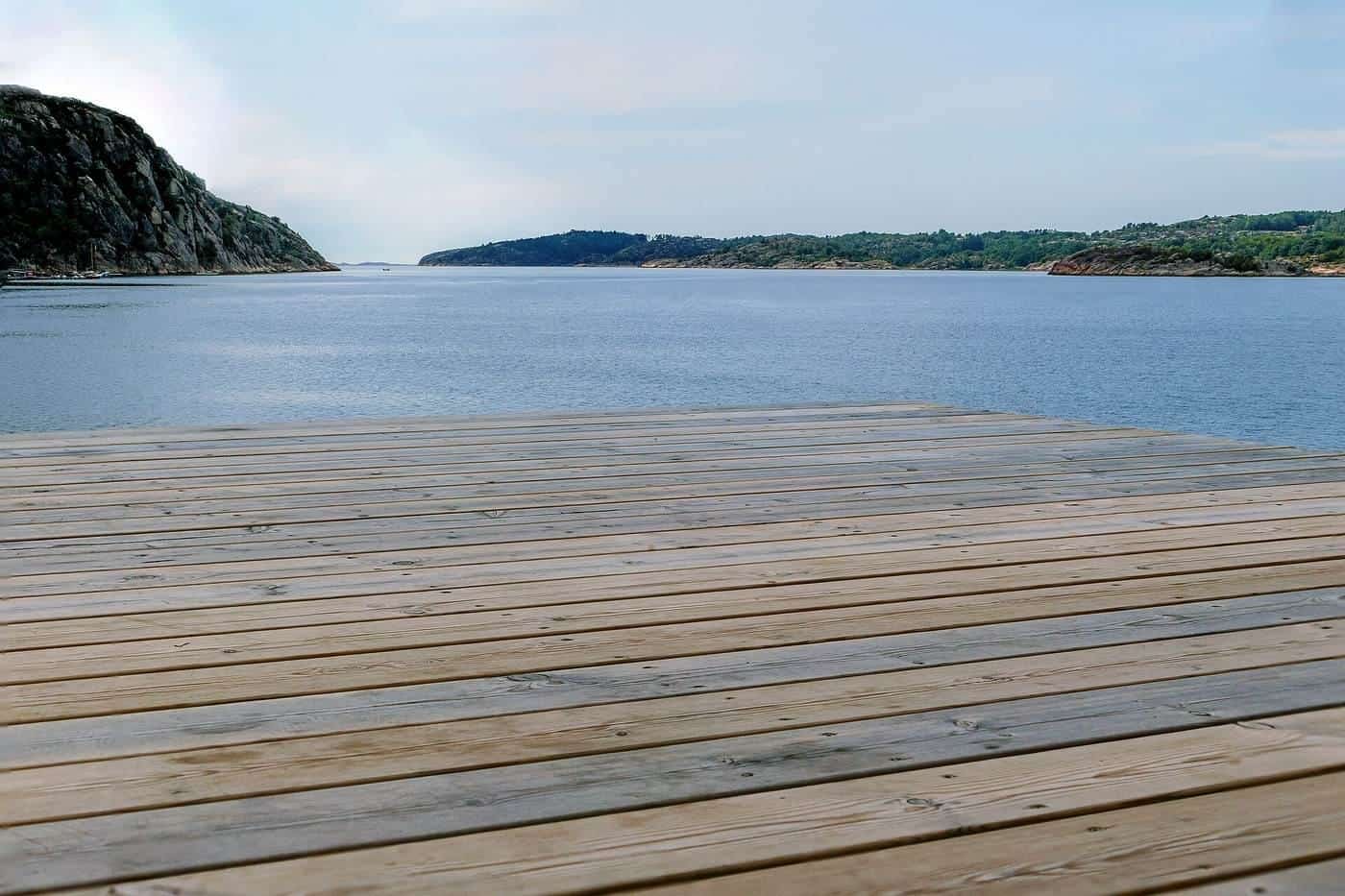
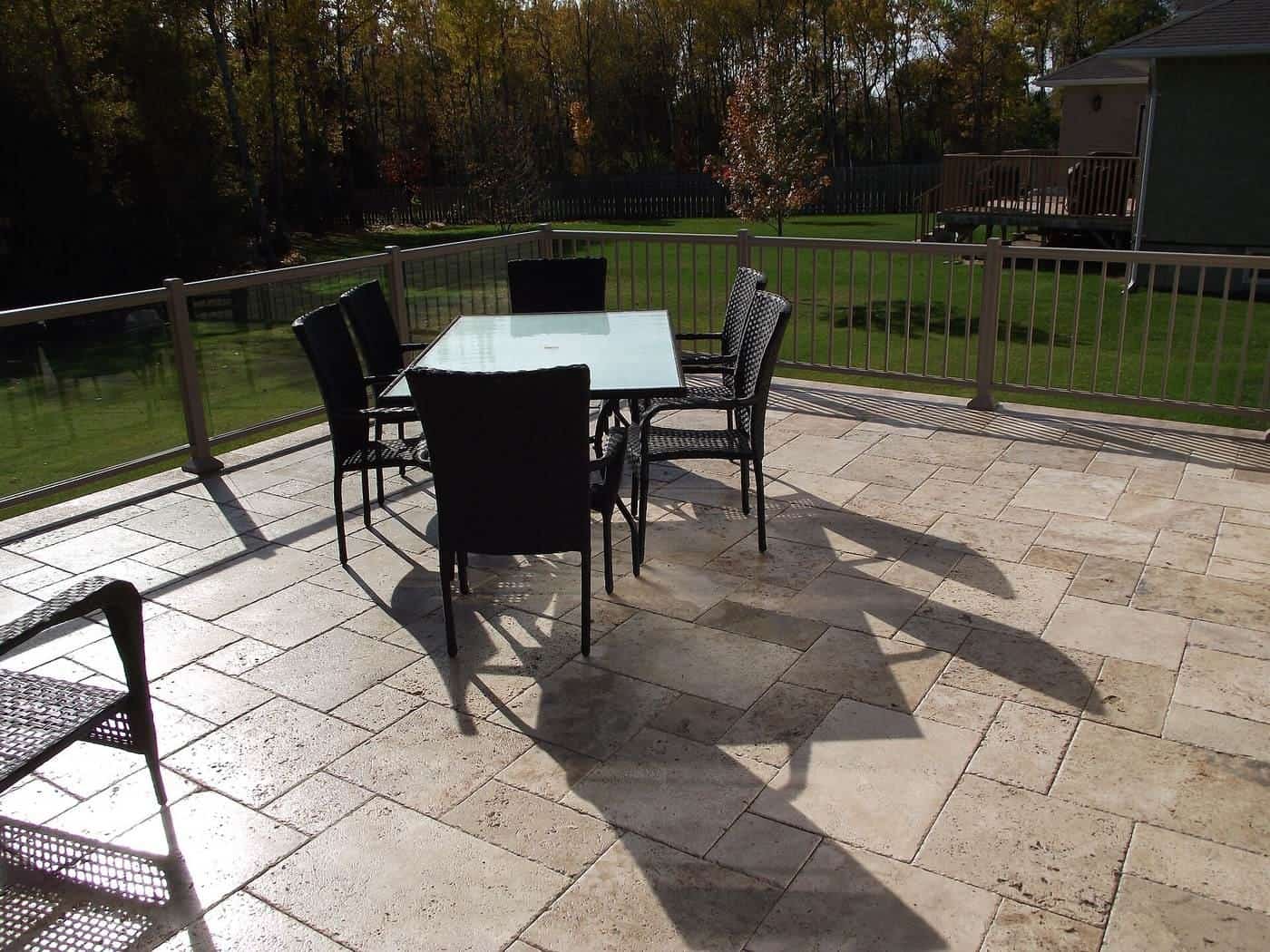
The area around your pool needs to be safe underfoot, comfortable in the sun and easy to maintain. Our decks and surrounds section covers:
- Timber or composite decking: durability classes, treated pine, heat and slip resistance.
- Pavers, tiles and slip resistance: natural stone, concrete and porcelain, AS 4586 P ratings, salt and sealing.
- Pool deck maintenance: cleaning, oiling, repairs and a seasonal plan.
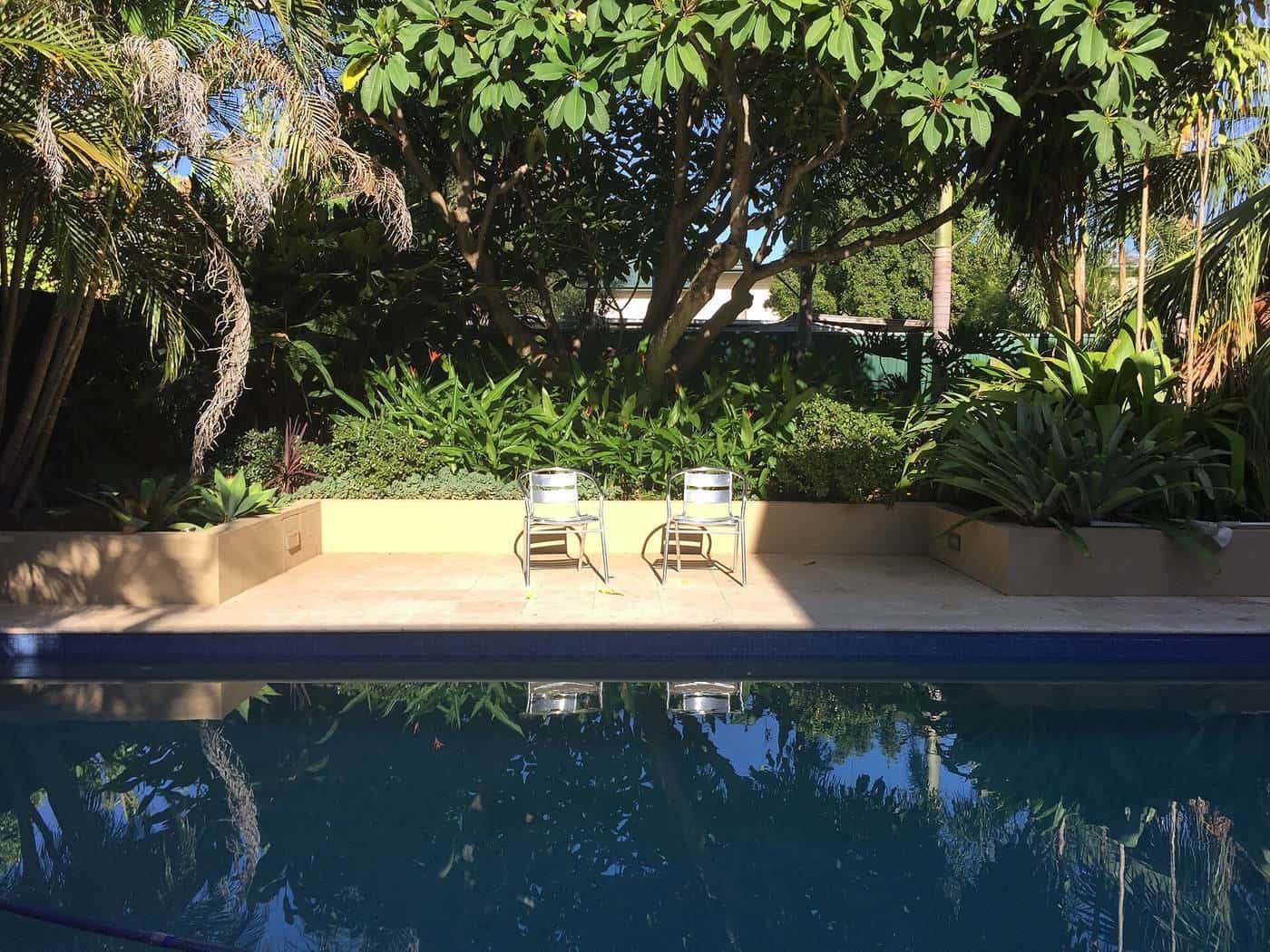
Pool care and running costs
Clear water and sensible bills come from good habits. Our pool care section explains:
- Water chemistry basics: sanitising, pH, alkalinity, stabiliser, testing and safe chemical storage.
- Saltwater vs chlorine: how chlorinators work, maintenance, corrosion and draining rules.
- Heating, pumps and running costs: covers, efficient pumps, run times and heating options.
Five habits of safe, happy pool owners
- Watch children actively whenever they're in, on or around water, and never rely on the fence alone.
- Check the gate and fence monthly: self-closing, self-latching, no gaps and nothing climbable nearby.
- Learn CPR from an accredited provider and refresh it regularly.
- Test the water weekly and handle chemicals safely.
- Use a pool cover to save water, heat and chemicals.
Who this guide is for
- New pool owners learning the rules and routines.
- Families wanting to make an existing pool safer.
- Home buyers and renters checking pool compliance.
- Renovators planning a new deck, paving or equipment upgrade.
How we research
We base our guides on official and authoritative sources: state and territory building regulators, councils, Royal Life Saving Society Australia, ANZCOR, Product Safety Australia, Standards Australia references, Safe Work Australia, environment protection authorities, the Energy Rating program and reputable reference works. We cite sources on every page and update guides when rules change. We don't invent statistics, prices or product claims. Read our editorial policy.
Our guides are general information, not legal, building or medical advice. For your situation, talk to your council, a licensed pool safety inspector or certifier, a licensed builder or a qualified pool professional.
About this domain
ThePoolDeck.com.au was relaunched in 2026 as an independent guide, with every page written from scratch. The name "The Pool Deck" was used by other businesses in the past, including a rooftop venue in Melbourne that has since closed. We're not connected with any of them.